Tag: Efterår 2025
-
The 100 Best Movies of the 21st Century: “But What Do They Sound Like?”

VIDEO-ESSAY. Rounding out the “One Hundred Movies Walk into a Bar…” series, Ariel Avissar’s “But What Do They Sound Like?” turns an ear to the first sounds of the films on The New York Times list. Often heard before the first image appears, these opening notes shape mood, tone, and expectation, revealing recurring sonic patterns across a quarter century of cinema.
-

The 100 Best Movies of the 21st Century: “Seen, Heard: Language Use in the ‘Best Movies’”

VIDEO-ESSAY. Jeffrey Romero Middents’ “Seen, Heard: Language Use in the ‘Best Movies’” listens to the languages used in the New York Times list and ponders how those languages (and lists like this) affect the curation and canonization of “world cinema.” What does the cinematic world sound like, and are the films we watch/listen to in the 21st Century different from those we venerate from the 20th Century?
-

The 100 Best Movies of the 21st Century: “One Hundred (Lonely) Movies Walk Into a Bar”

VIDEO-ESSAY. This piece from the “One Hundred Movies Walk into a Bar…” series features Benedetta Andreasi’s dismantling of the visual choices made by The New York Times’ editors. “One Hundred (Lonely) Movies Walk Into a Bar” redesigns the list by reframing the pictures’ subjects and interfering with the reader’s experience of the list.
-

The 100 Best Movies of the 21st Century: “All About Numbers: 100 Films – 11 Women”

VIDEO-ESSAY. If anything shines in 21st-century film production, it is the remarkable presence of female filmmakers. Yet The New York Times list includes only 11 titles by women – and just 1 by a woman of color. Barbara Zecchi’s “All About Numbers: 100 Films – 11 Women” lifts the curtain of discrimination to reveal what lies beneath and provocatively envisions an alternative list.
-
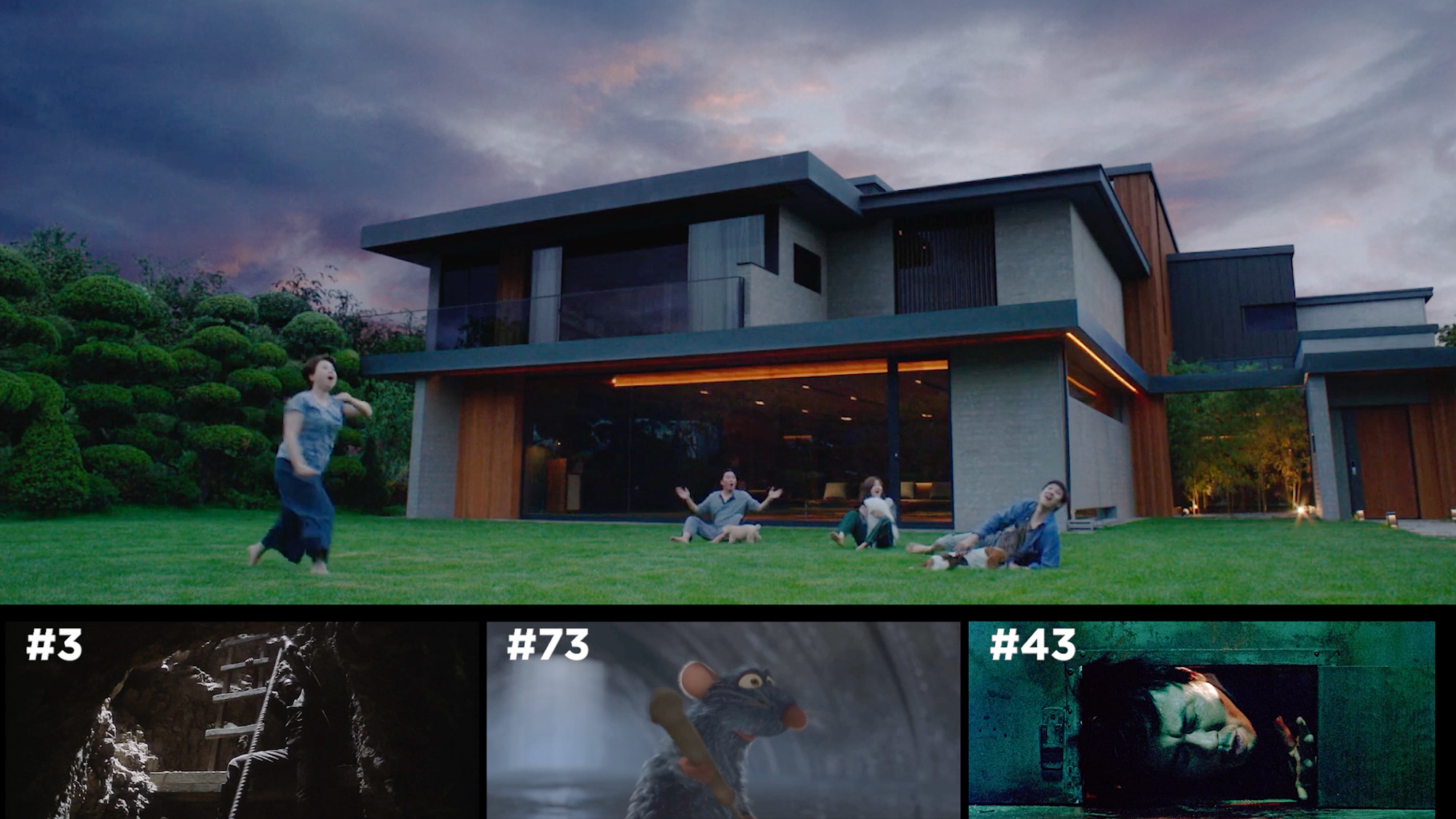
The 100 Best Movies of the 21st Century: “Parasite and the Ones Below…”

VIDEO-ESSAY. Wickham Flannagan’s “Parasite and the Ones Below…” highlights the top film in the New York Times list, Parasite, and explores how that number one choice can reflect and reiterate many of the movies listed below it. Within this juxtaposition, many connections arise either purely through a communal visual language or from the consistent messaging that many of the films convey.
-
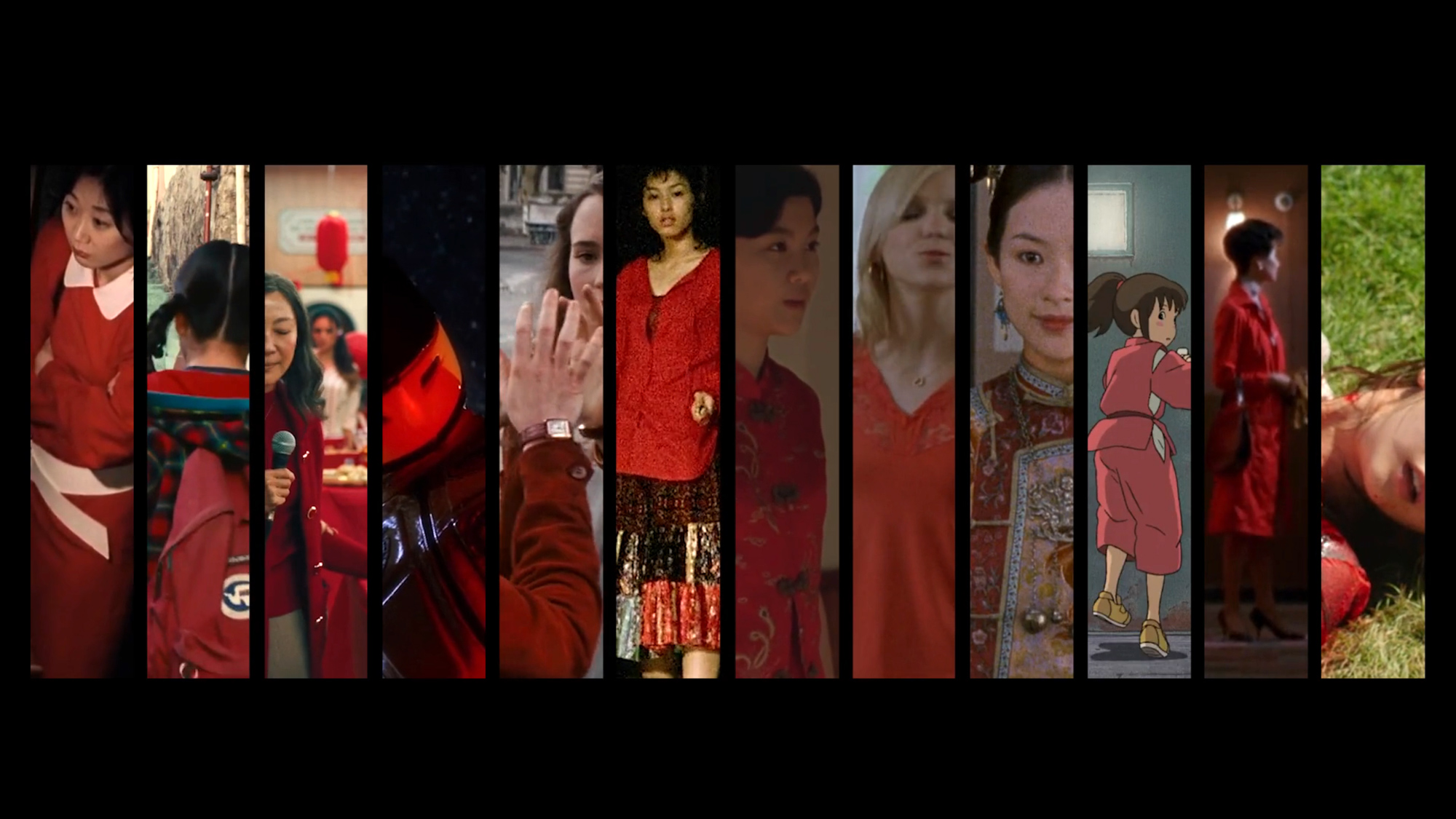
The 100 Best Movies of the 21st Century: “See Under: Orient”

VIDEO-ESSAY. Kicking off the “One Hundred Movies Walk into a Bar…” series, Colleen Laird’s “See Under: Orient” examines films from The New York Times list from or set in East Asia. Through formal gestures and layered definitions that embrace a knowingly “plastic” aesthetic, the video stages a self-reflexive look at how the imagination of the “Orient” continues to circulate within American (US) film culture.
-
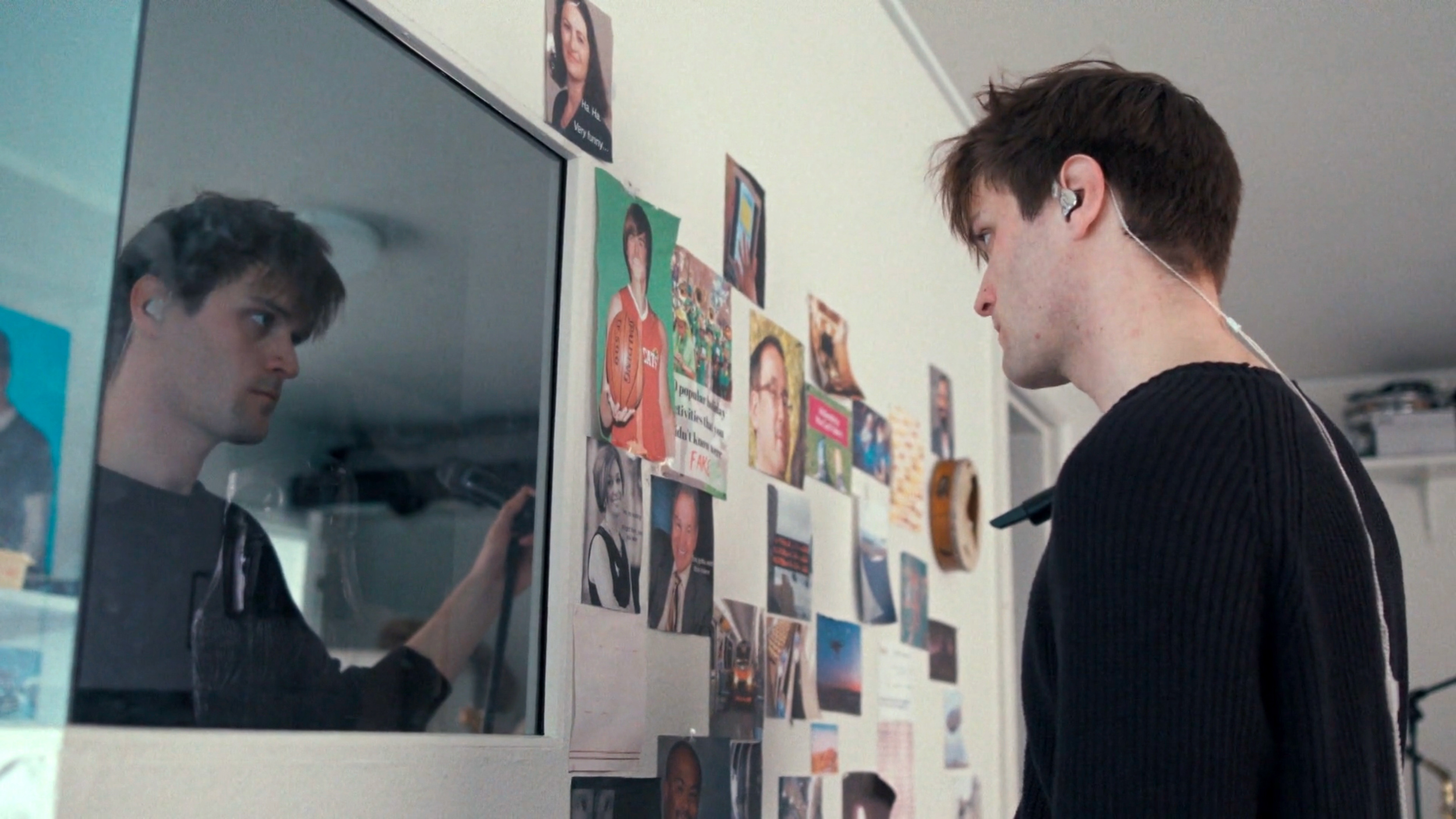
Tvivlens hadegave: Emotionelle svingninger i øvelokalet

FEATURE. Tvivl, stress og sårbarhed er helt i forgrunden i de nye DR-dokumentarserier om Zar Paulo og Blæst. Johannes Fibiger er dykket ned de indsigtsfulde – og generationstypiske – fremstillinger af de to unge bands kunstneriske processer.
-
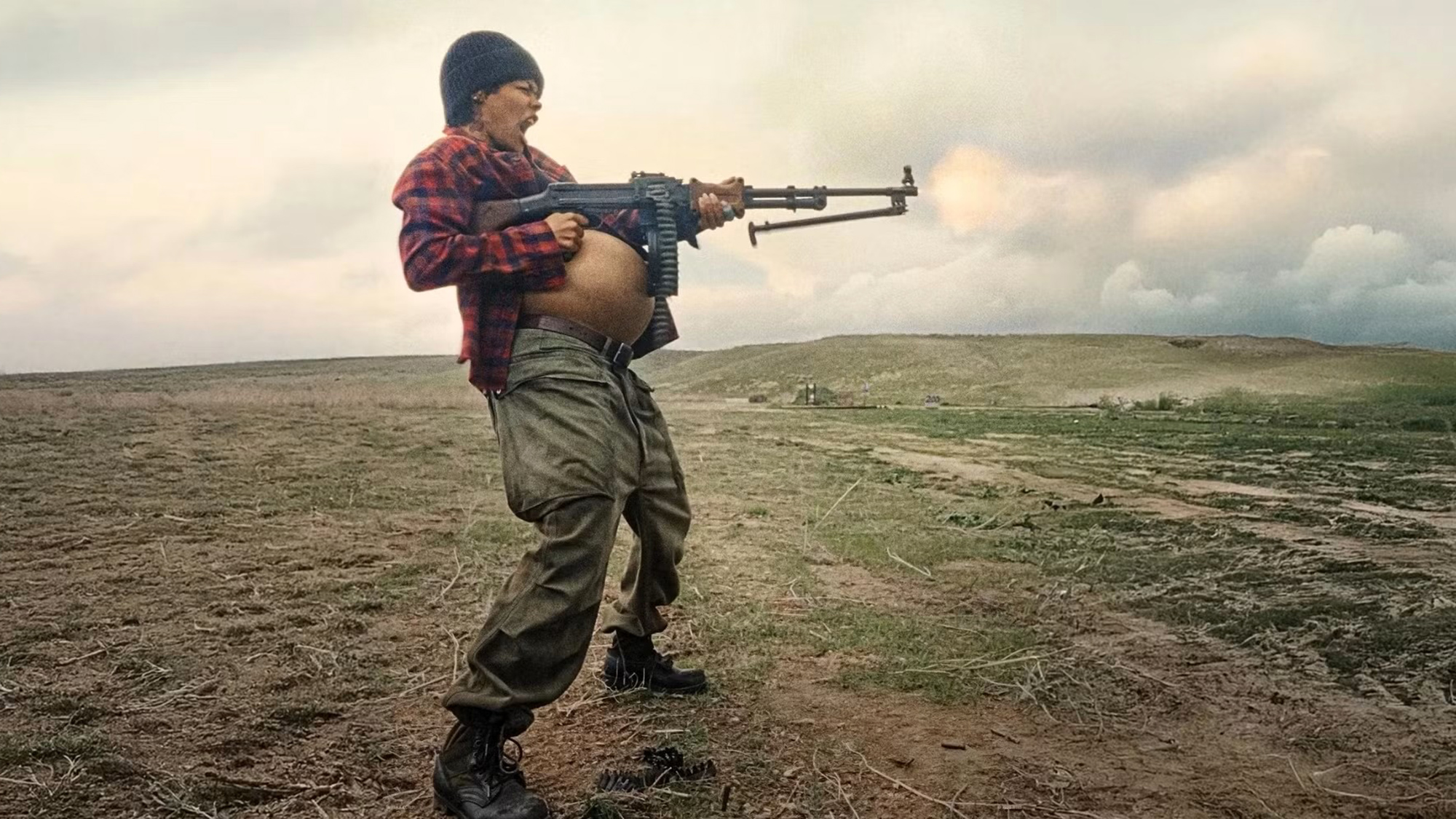
The master of control descends into chaos: The ambiguous frictions of One Battle After Another

FEATURE. Paul Thomas Anderson’s propulsive One Battle After Another has been hailed as the most politically charged studio film in years. However, the film’s ambiguities seem to rebel against this notion. Jakob Freudendal unpacks the colliding frictions at the core of the film.
-

The ParAIax View
VIDEO-ESSAY. What happens when AI remakes one of cinema’s most haunting political thrillers? In “The ParAIax View”, Ariel Avissar collaborates with AI text and image generating tools to restage the infamous montage sequence from The Parallax View (1974), reflecting on the generative and unsettling potentials of human–machine co-authorship.
-
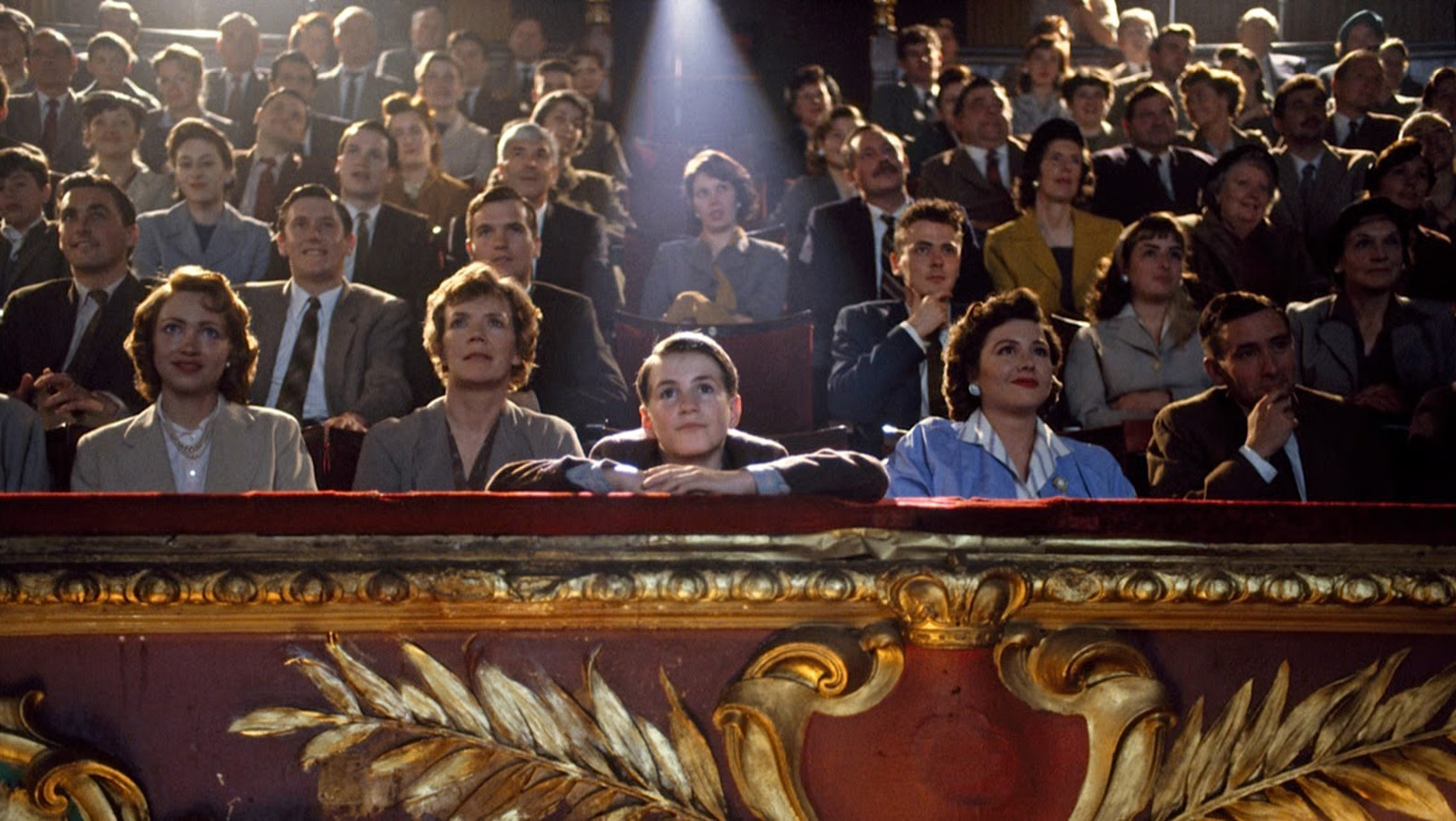
Autoritetstab: En diskussion af den evige krise i dansk filmkritik
FEATURE. Over sommeren blussede en kortlivet men tiltrængt debat op om filmkritikkens rolle i Danmark. I denne artikel undersøger Jakob Freudendal, hvordan filmkritikken længe har været til debat, og hvordan den i Danmark har kæmpet med at stadfæste sin autoritet. Han peger på, hvordan strukturelle udfordringer påvirker filmkritikkens kvalitet, og efterspørger en revurdering af filmkritikkens relevans og vilkår i den digitale æra.
-
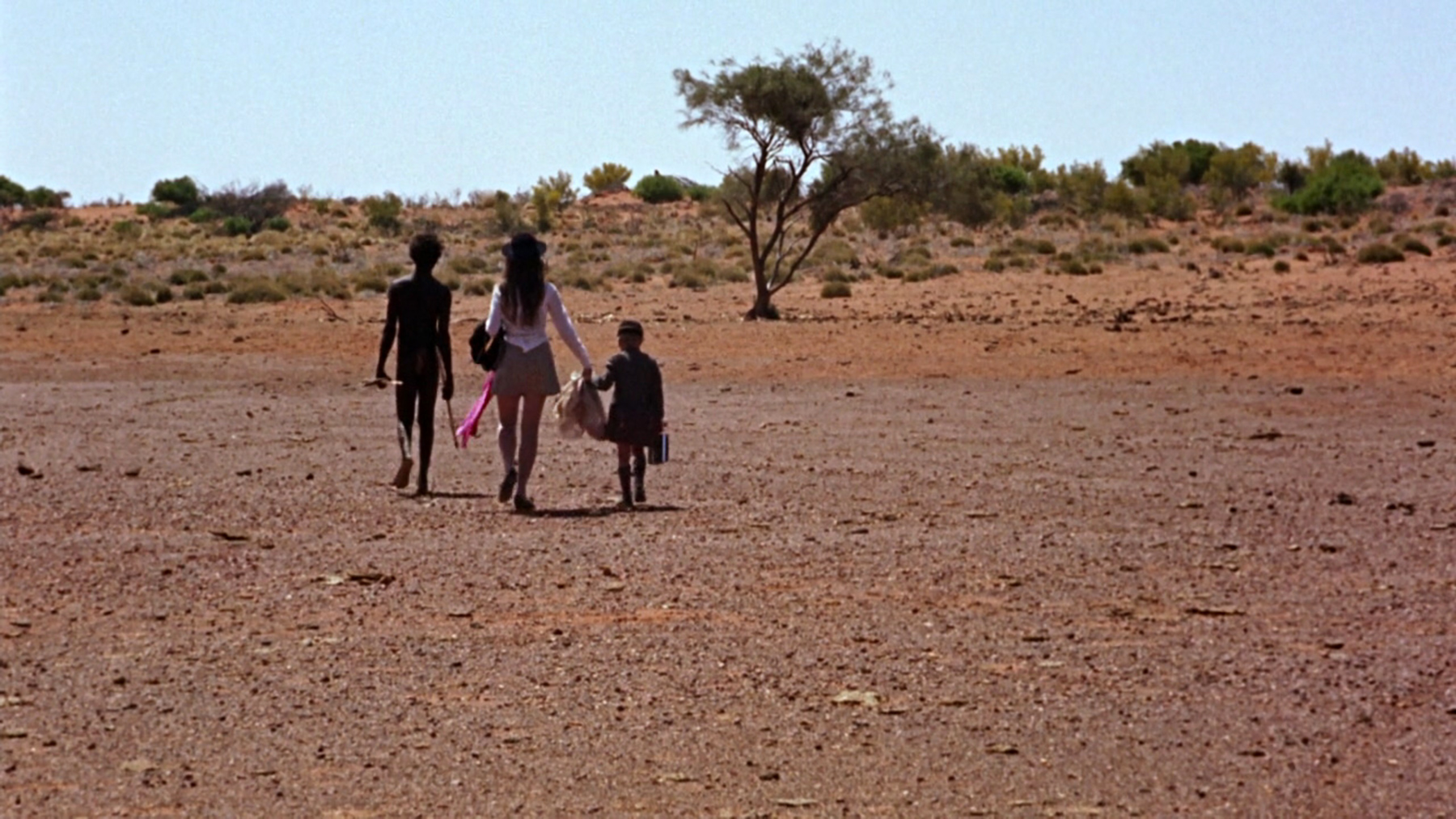
Australiens gotiske hjerte: Dødsdruk, selvmord og forsvindinger i 70’ernes Outback

FEATURE. I 70’erne oplevede australsk film et sandt boom. Noget, som var fælles for den nye bølge af film, var fokusset på det australske landskab og dets betydning for den nationale identitet. Læs med, når Peter Raagaard i denne artikel fokuserer på, hvordan mødet med ‘the Outback’ påvirker hovedkaraktererne i klassikerne Wake in Fright, Walkabout og Picnic at Hanging Rock.
-
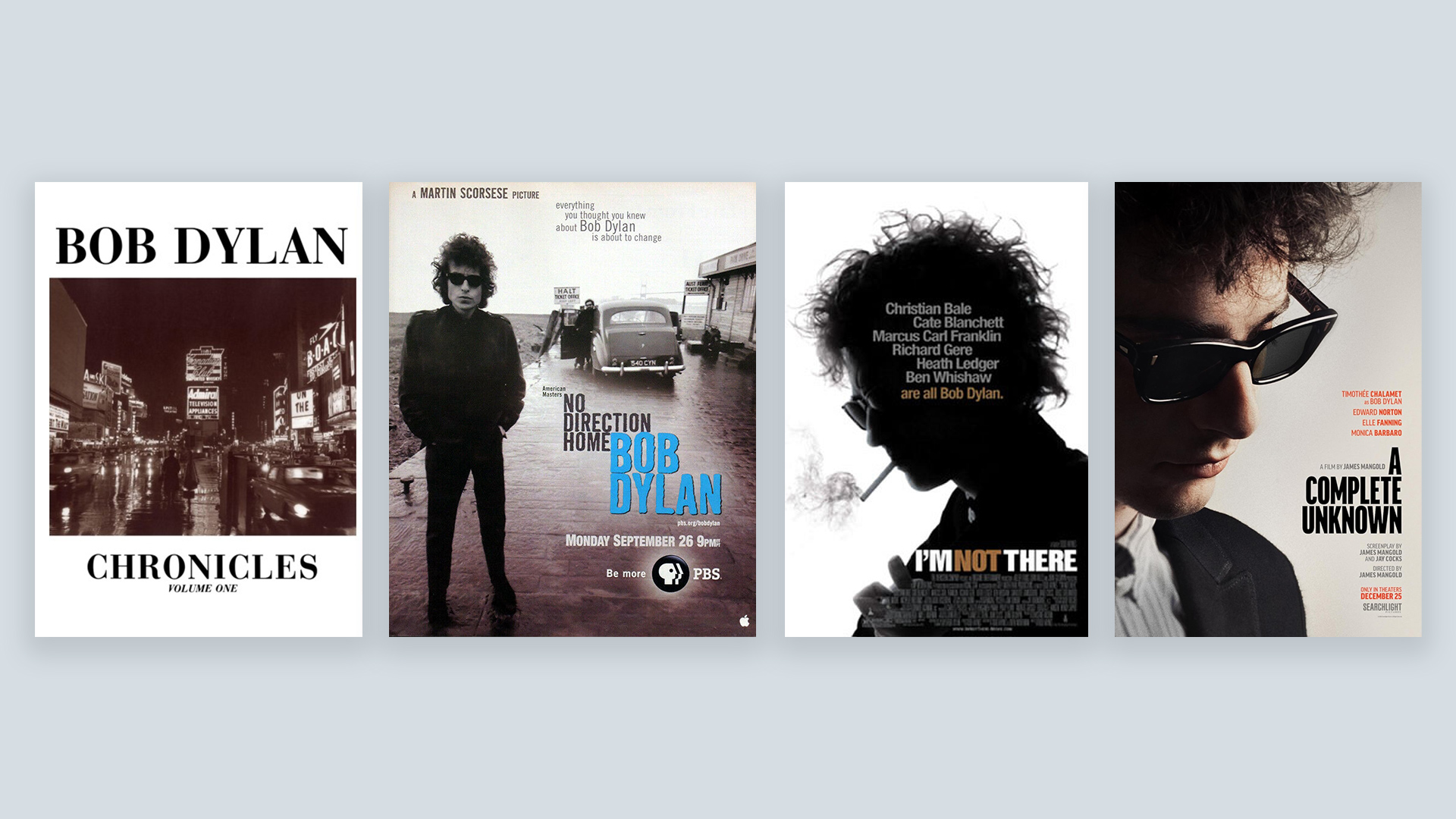
En kompleks konstruktion: Et komparativt studie af Bob Dylan-fremstillinger
FEATURE. Når vi fortæller os selv, vælger vi ud. Livet er sjældent en smuk, lineær fortælling – det er fyldt med brud, tilfældigheder og fortolkninger. Sådan er det også med Bob Dylan. Johannes Fibiger undersøger, hvordan Dylan bliver konstrueret og dekonstrueret – fortalt og genfortalt – i biografi, dokumentar, fiktionsfilm og biopic. For Bob Dylan er aldrig bare én. Og hvad vil det egentlig sige at fortælle et liv?