Kategori: Media
-
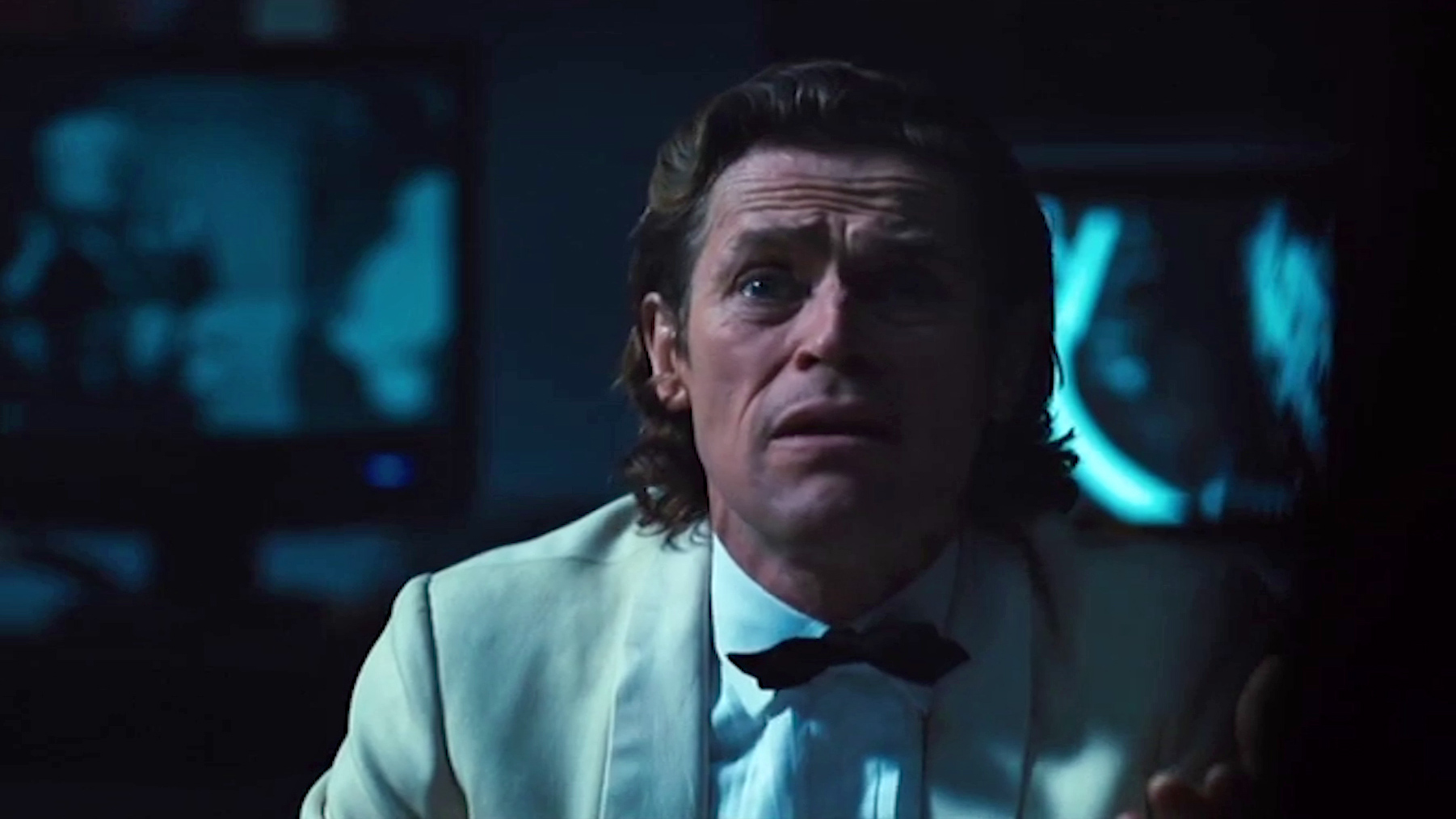
169 Seconds: Waiting For The Miracle

169 SECONDS. In this wonderful instalment of 169 Seconds, made in conjunction with the 20th anniversary of 16:9, Cristina Álvarez López and Adrian Martin explore Abel Ferrara’s independent film Go Go Tales (2007), focusing on its use of Dreyer-like long takes and tour de force performances. In Go Go Tales, Ray Ruby (Willem Dafoe) is desperate, but in one particular scene Ferrara and Dafoe deliver a small miracle. All we have to do is watch and wait.
-
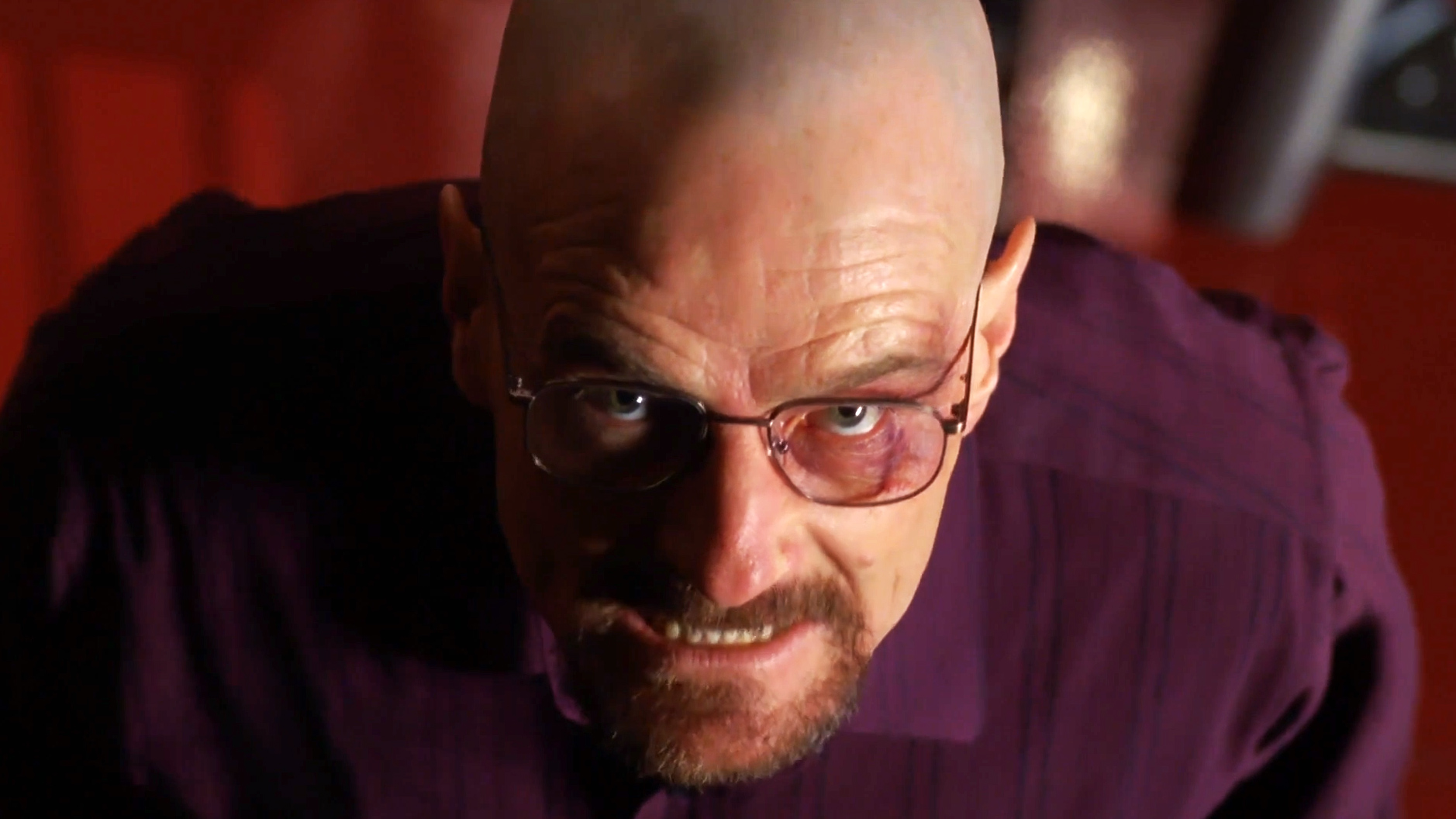
169 Seconds: Trimming Time in Breaking Bad

169 SECONDS. In the second installment of our jubilee series of 169 Seconds, Jason Mittell leans into the parametric possibilities offered by the series. Through 16 video clips from Breaking Bad, with a new one appearing every 9 seconds, the video evokes the affective experience of Walter White’s story.
-
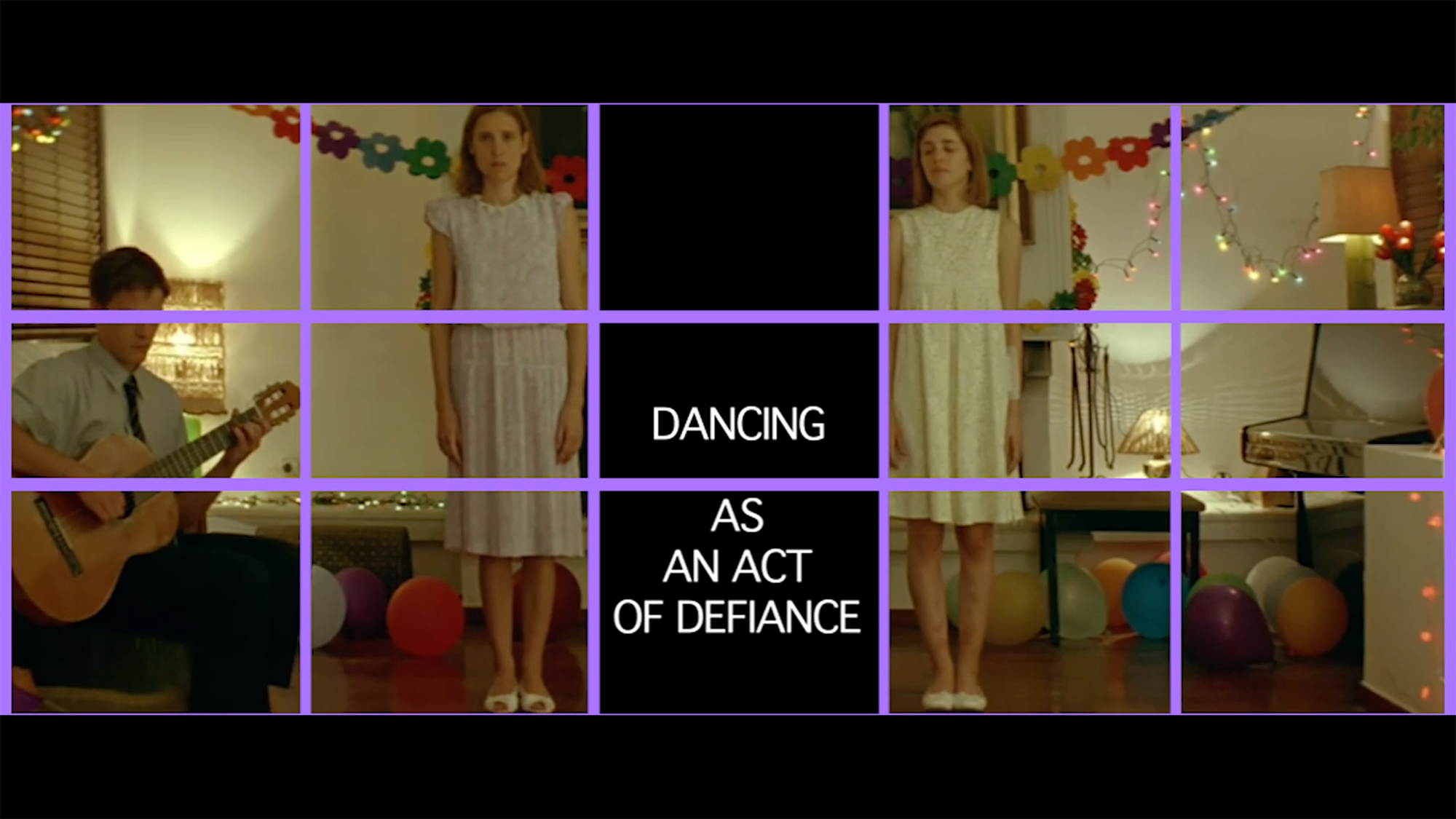
169 Seconds: Improbable Dialogisms or Dancing as an Act of Defiance

169 SECONDS. At 16:9 we are celebrating our 20th anniversary this year with a series of 169 Seconds video essays about films, series, documentaries, etc. made since the journal was launched in 2003. In this first installment, Barbara Zecchi traces unlikely intertextual connections between four notable dance scenes in Dogtooth, Raw, Titane and Ema.
-
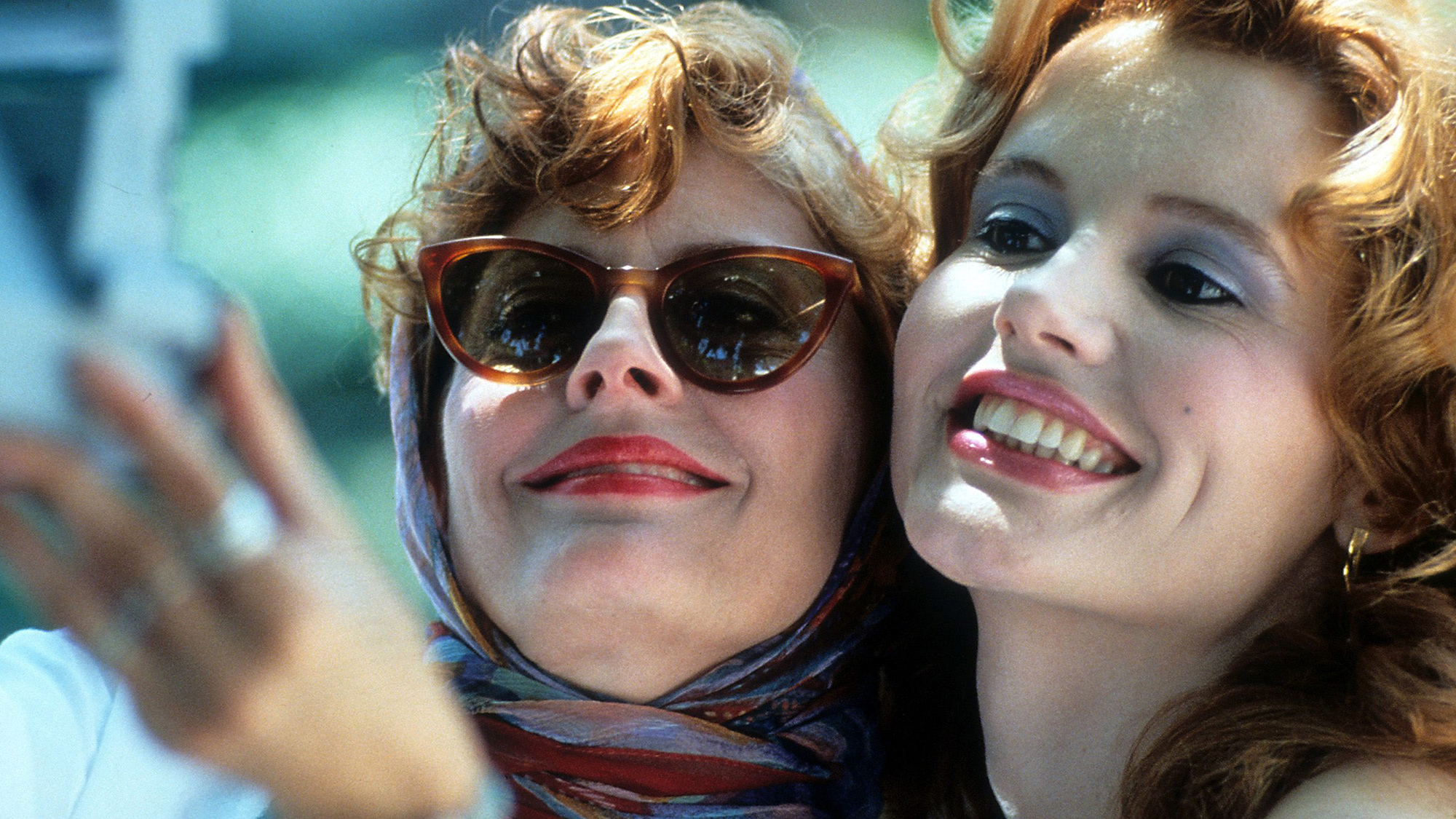
169 Seconds: Improbable Dialogism or the Art of Flying
169 SECONDS. This installment of 169 Seconds by Barbara Zecchi deconstructs the controversial ending of Scott and Khouri’s Thelma and Louise by putting it into an improbable intertextual dialogue with two other unrelated films—namely Vittorio De Sica’s Miracolo a Milano (1951) and Steven Spielberg’s E.T. (1982).
-
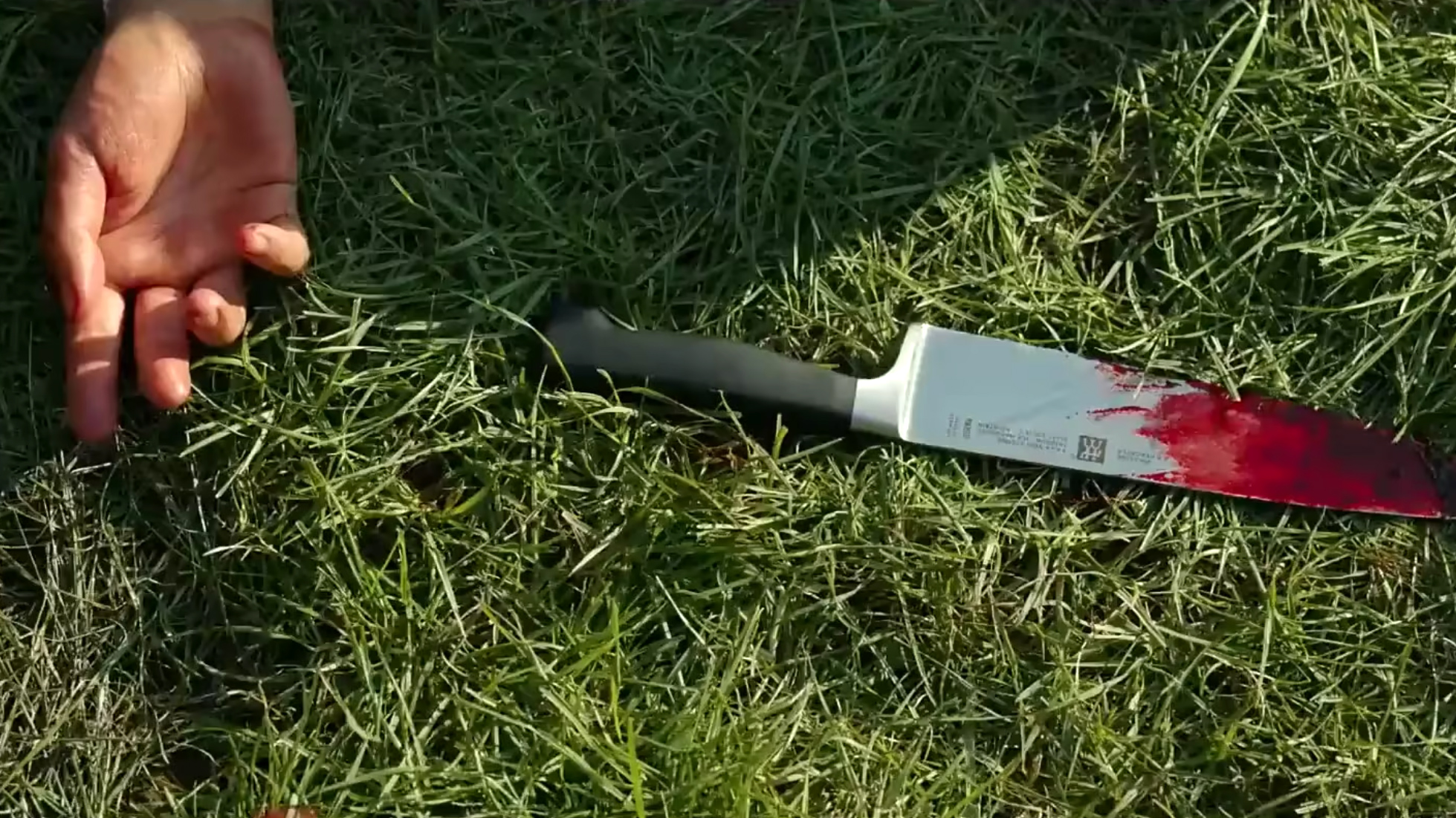
169 Seconds: Parasite – Props at the Periphery of Perception

169 SECONDS. Bong Joon-ho’s Parasite is a film that pays obsessive attention to its mise-en-scène. In this installment of 169 Seconds, Mathias Bonde Korsgaard explores how the film’s props subtly assist in characterizing the social status of the characters by creating a distinct opposition between global and local brands.
-
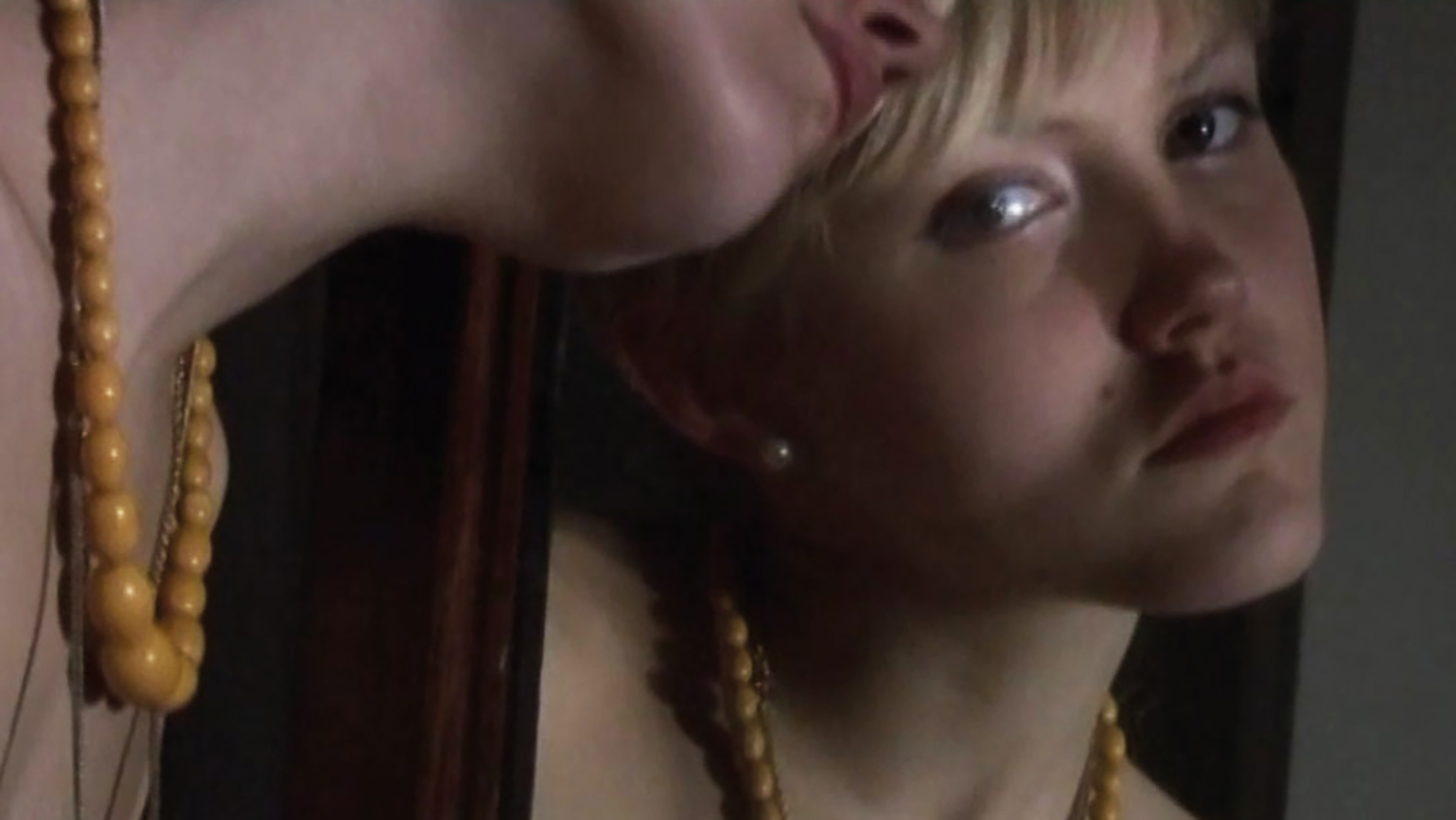
Telescopic Intimacy
VIDEO-ESSAY. Cristina Álvarez López and Adrian Martin explore the works of avant-garde filmmaker Stephen Dwoskin, focusing on the enigmatic close-ups and the “telescopic intimacy” of his films.
-
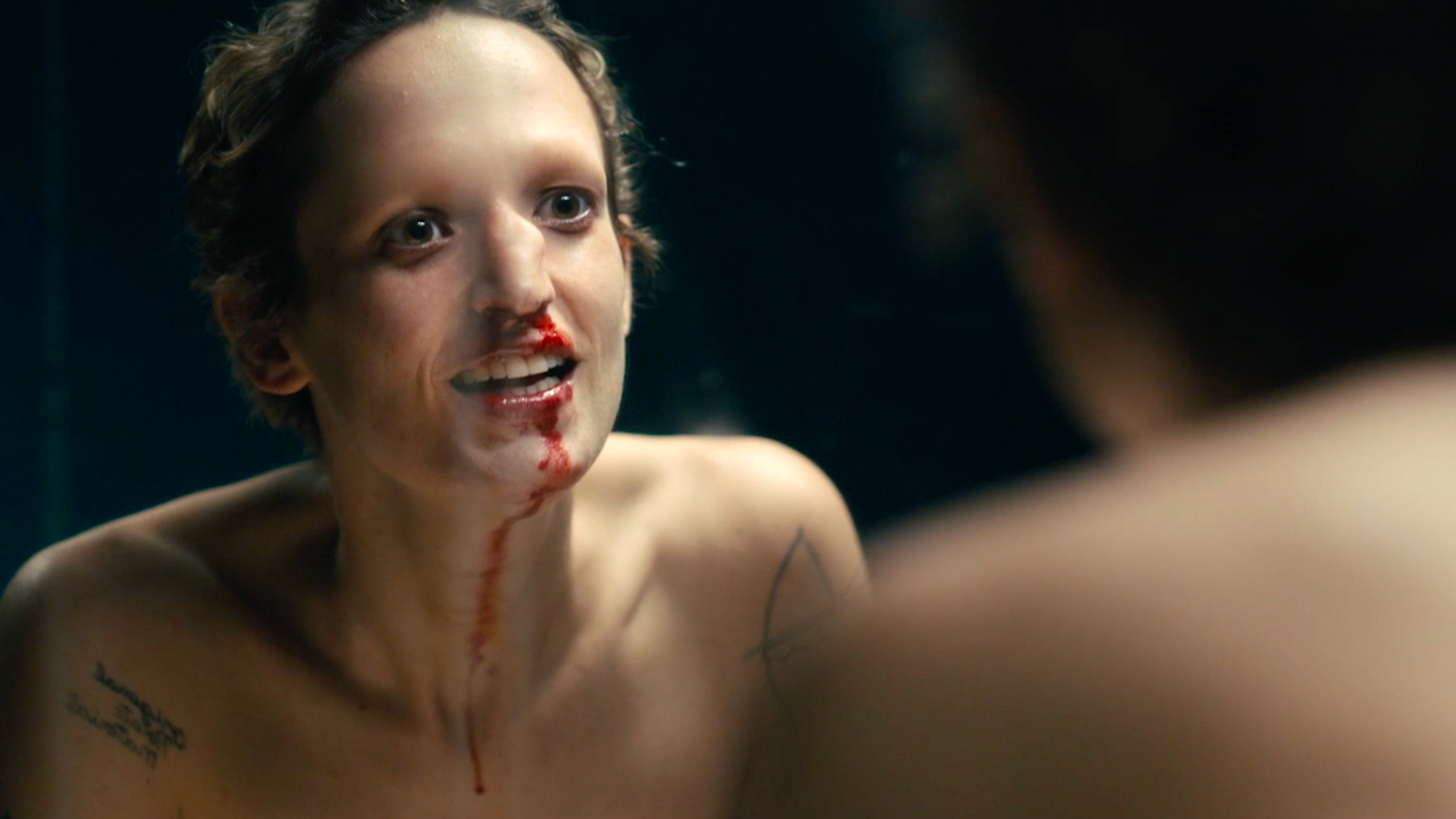
169 Seconds: Titane

169 SECONDS. Jan Oxholm analyserer det tragiske anslag i Guldpalme-vinderen, Titane (2021), som viser en far, der ikke kan nå sin datter. Eller er det i virkeligheden datteren, som ikke kan nå sin far?
-
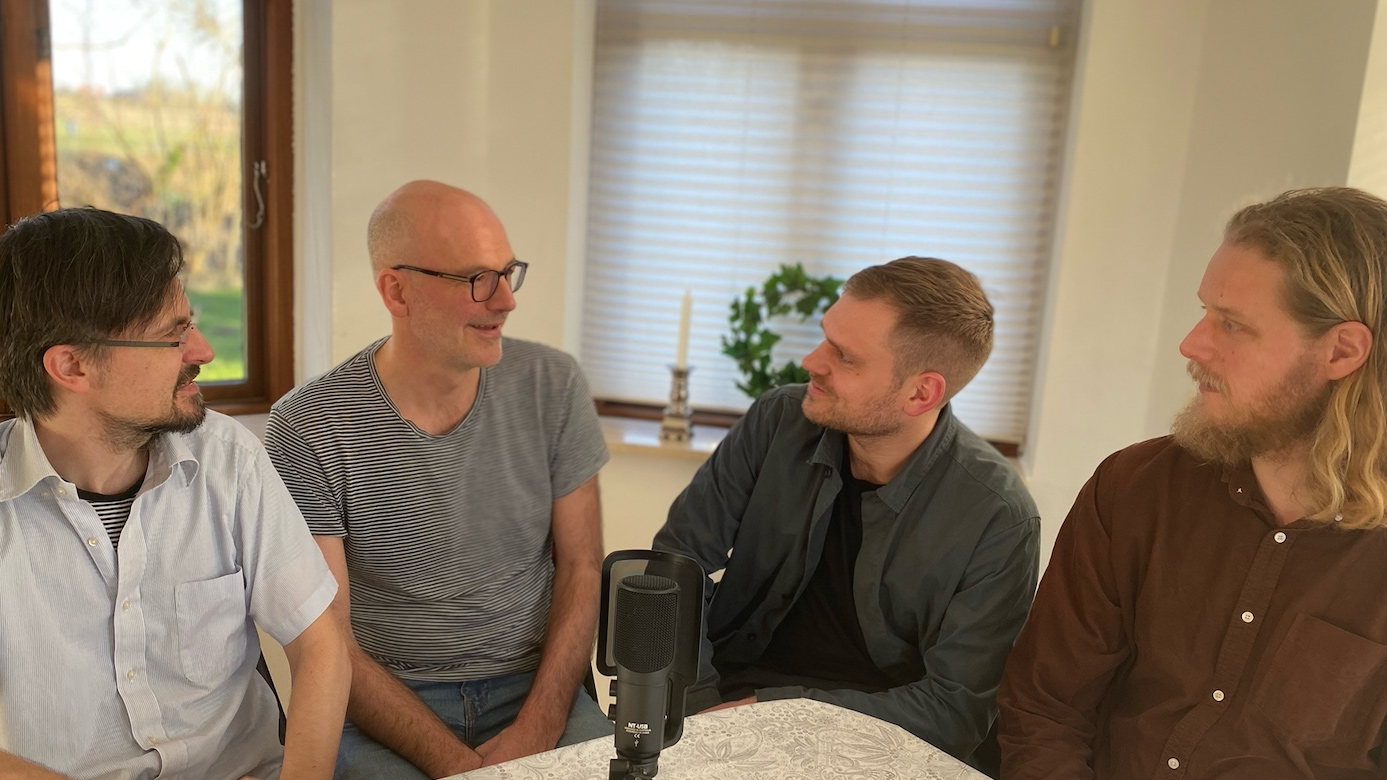
16:9 Podcast: Kunstfilmen i streaminglandskabet
PODCAST. Mens de store streaming-giganters indbyrdes konkurrence ofte handler om hvem der kan tilbyde de største og mest populære film og serier, fører kunstfilmen en mere beskeden tilværelse i streaminglandskabets randområder. I denne 16:9-podcast afsøger Jakob Langkjær sammen med Henrik Højer, Jakob Isak Nielsen og Mathias Bonde Korsgaard netop dette territorium i en snak om hvordan (og hvor) kunstfilmen begår sig online – og hvor de hver giver en streaminganbefaling.
-
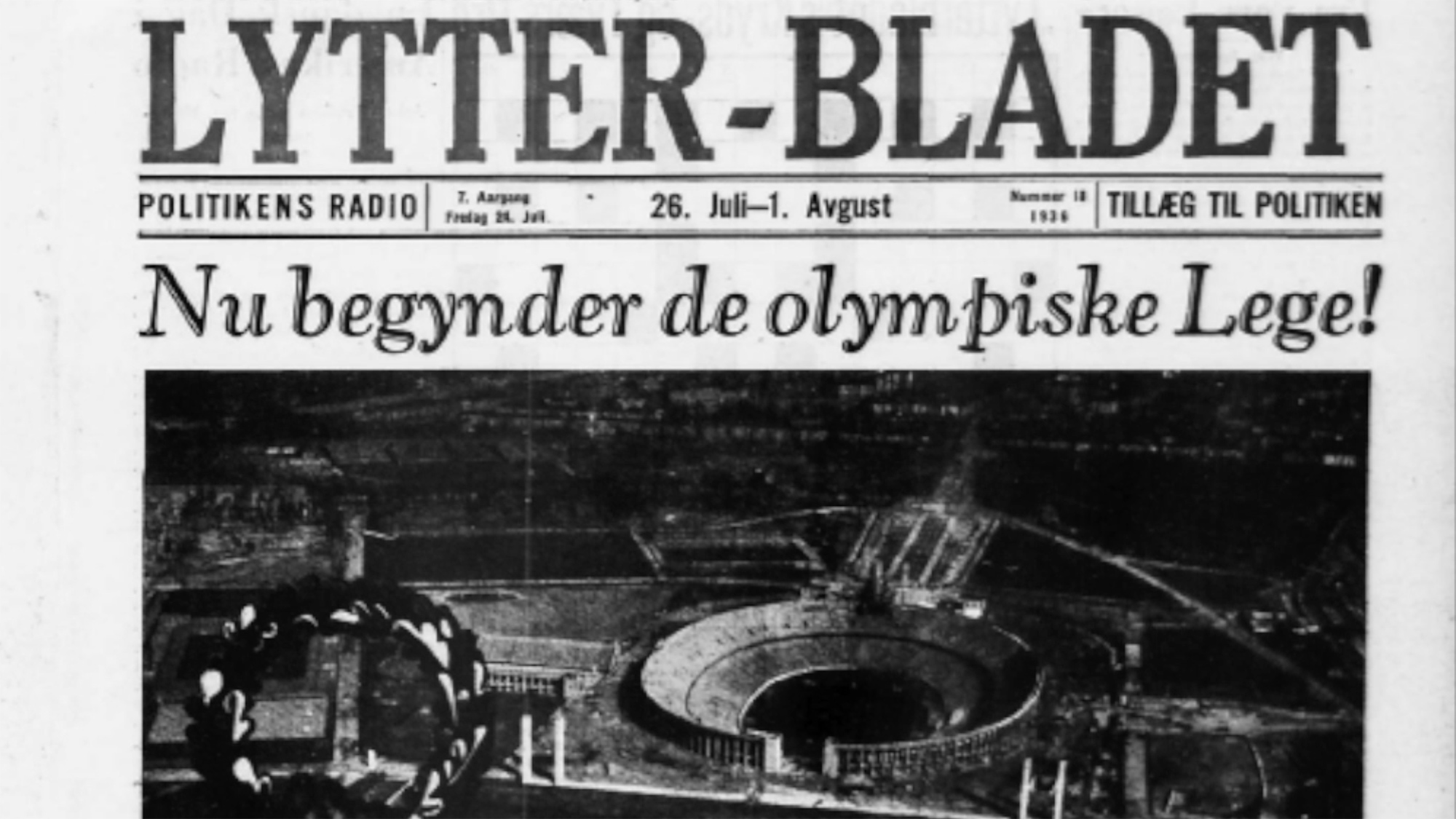
Hitler-legene: OL i Berlin 1936 som mediebegivenhed

VIDEO-ESSAY. I dette video-essay kaster Palle Schantz Lauridsen et tilbageskuende blik på Nazi-legene i 1936, som blev den første store mediebegivenhed i Danmark.
-
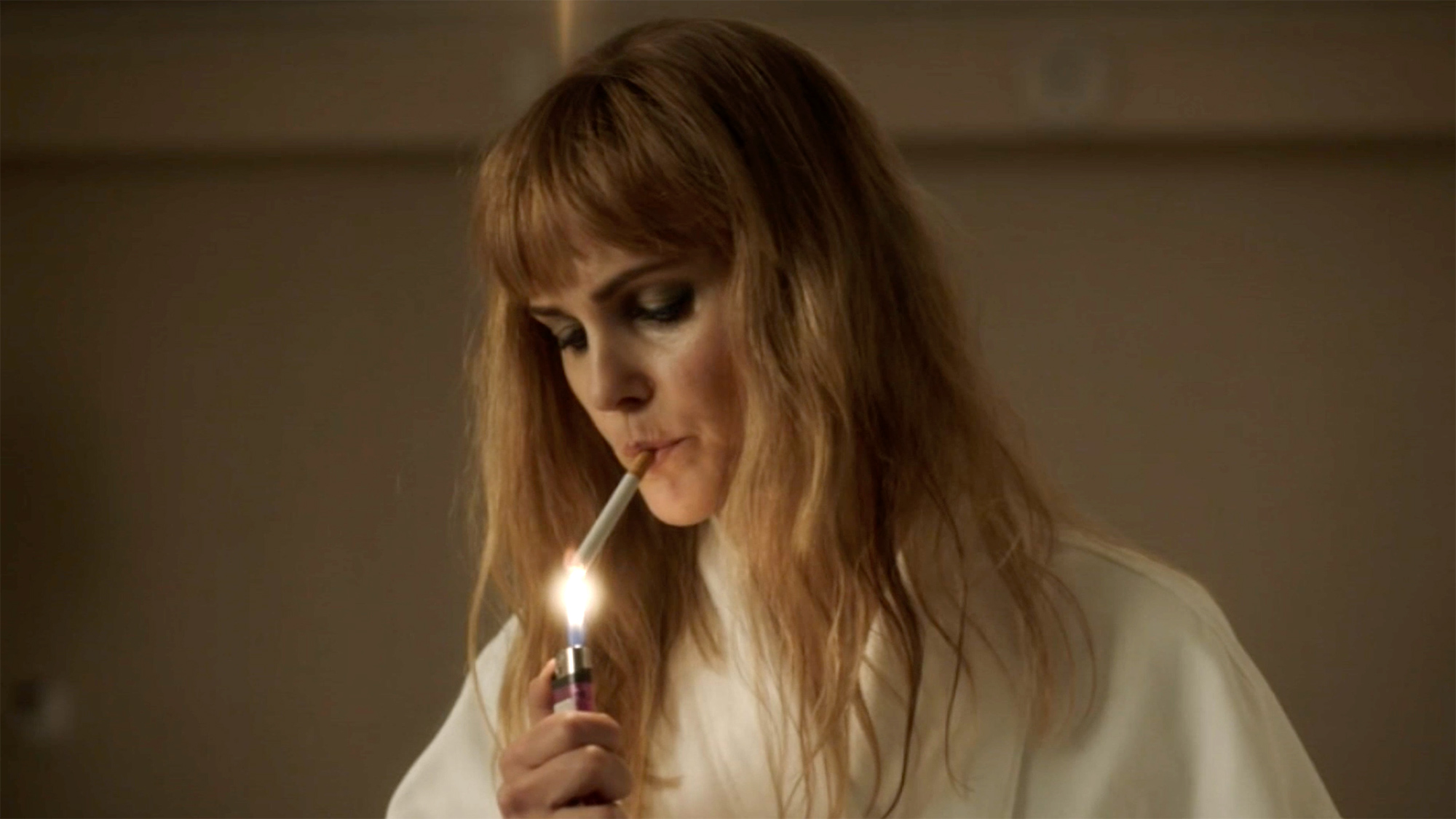
16:9 Talks: Joel Fields

16:9 TALKS. Joel Fields is a writer and executive producer who worked as showrunner on the acclaimed period drama The Americans. In this interview, Fields talks about the conceptualization and development of The Americans, and he talks about authenticity, music and the so-called “antihero genre”. We have seen many tragic heroes and antiheroes in literature, theater, film and television – from Richard III to Tony Soprano and Walter White – but Elizabeth and Philip Jennings were never conceived as antiheroes. That question and ‘the question of authenticity’ are central to this interview with Joel Fields, who also talks about growing up at a time of international conflict, tension and paranoia.
-
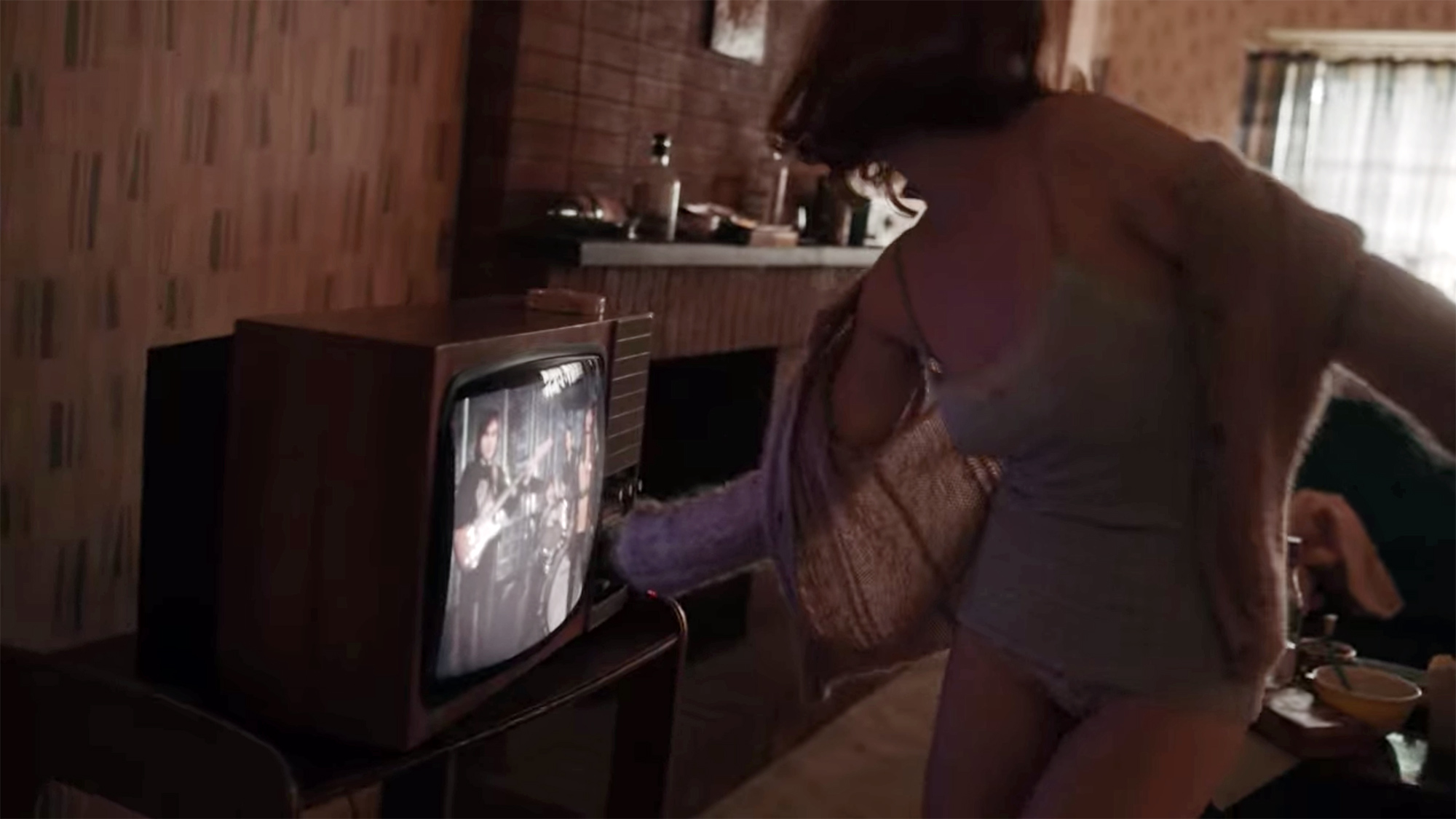
169 Seconds: Double Nostalgia in The Queen’s Gambit

169 SECONDS. Jaap Kooijman’s audiovisual essay “Double Nostalgia in The Queen’s Gambit” focuses on one specific montage sequence in the 2020 Netflix series, which uses Shocking Blue’s 1969 song “Venus” as soundtrack. The use of the song and its music video not only expresses the emotional state of the protagonist, but also raises questions about watching music television as a cultural practice.
-
16:9 Talks: Michael Ruscio
16:9 TALKS. You can currently see his work in the thrilling TV series Your Honor, but the editor Michael Ruscio has also worked on modern cable classics like The Sopranos and Six Feet Under. In this interview conducted by Andreas Halskov, he talks about those two series, about appointment television and the art of editing.